The Youth for Earth (Y4E) Campaign, a flagship initiative of the International Conference on Sustainability Education (ICSE), is entering its 6th edition in 2025, continuing its mission to empower young leaders as agents of change for a sustainable future. Y4E serves as a dynamic platform to amplify youth voices, showcase innovative projects, and foster a global community committed to environmental stewardship. Building on the successful model of previous campaigns, Y4E 2025 will emphasize actionable, path-breaking projects driven by young minds.
The Y4E 2025 campaign is led by the Mobius Foundation and The Climate Reality Project India & South Asia. With each year, the campaign is galvanizing more and more young minds to contribute to the bigger journey of sustainability. This year’s campaign builds on the success of 2024’s theme of "Greening Education for a Sustainable Future." Y4E 2025 is also strategically designed to align with the overarching goals of the 7th ICSE, focusing specifically on the theme "Sustainability Education for Green Jobs”.
As the world transitions to a green economy, jobs that support such endeavors would be crucial enablers of change. Green jobs not only address environmental challenges but also provide an opportunity for economic growth and social equity. Educating young minds to dive deep in sectors such as renewable energy, sustainable agriculture, waste management, and climate adaptation ensures that they are equipped to lead this transformation.
Programs like the Youth for Earth (Y4E) are instrumental in bridging the gap between awareness and action. By fostering innovation, hands-on learning, and collaboration, Y4E empowers youth to develop tangible projects that contribute to a net-zero world. Through these efforts, young leaders can address real-world challenges, create scalable solutions, and inspire their communities to follow suit.
Junior Category Winners
PEELFLEX: Waste to Wonder by Team FlexMinds of Bal Bhavan Public School, Mayur Vihar, Delhi
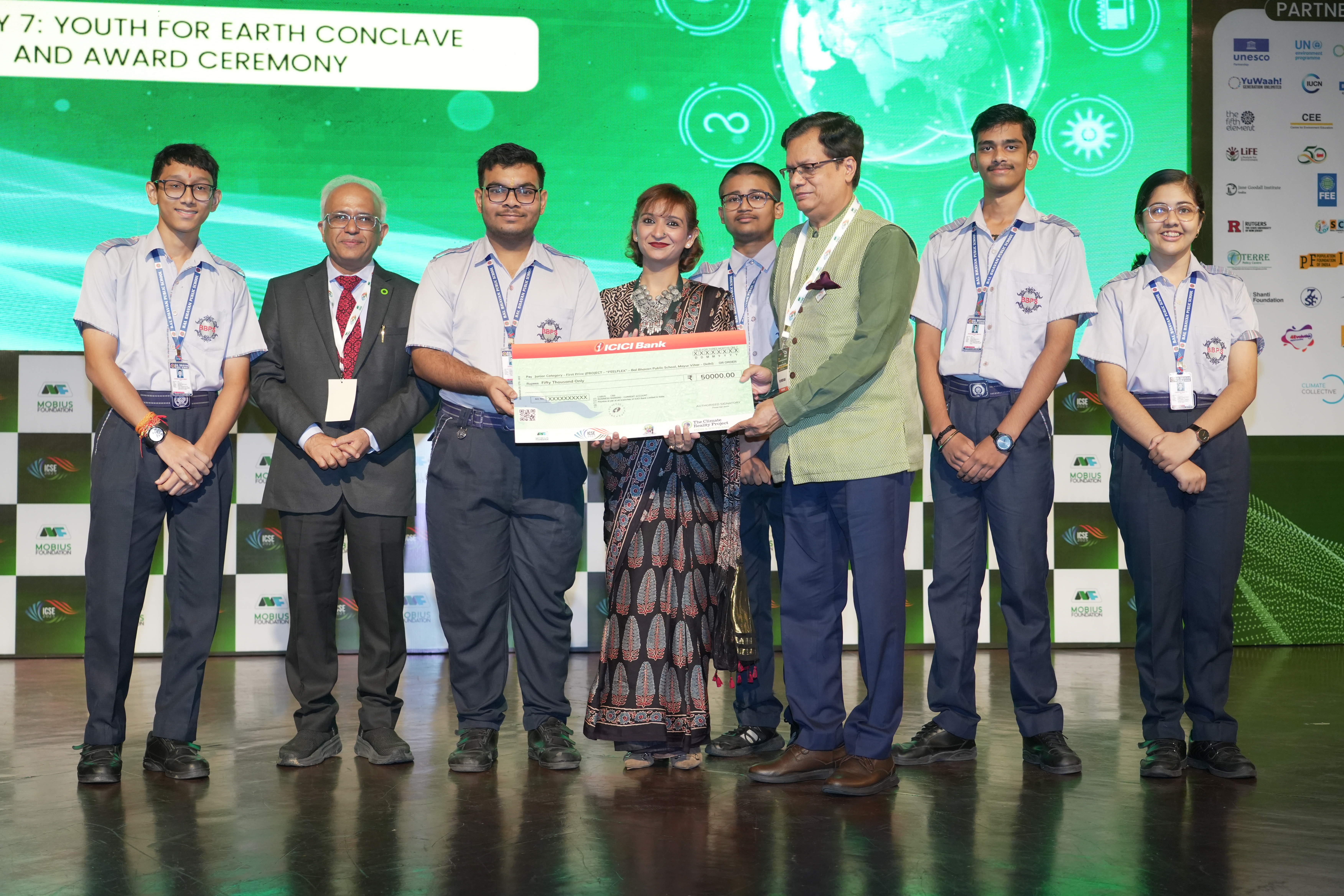 About the project: This innovative sustainability initiative transforms discarded banana peels into biodegradable, flexible fiber sheets, offering an eco-friendly alternative to plastic and synthetic materials. Developed through a low-cost, chemical-free, and home-replicable process, PeelFlex empowers students, women, and artisans to convert agro-waste into valuable products such as book covers, wallets, coasters, and packaging materials. The project addresses urban waste management challenges while promoting green entrepreneurship and circular economy practices. By reducing organic waste in landfills and curbing plastic pollution, it contributes to cleaner rivers and sustainable livelihoods.PeelFlex reflects how youth-led innovation and scientific creativity can drive real change, turning everyday waste into a powerful symbol of sustainability and self-reliance.
Ashitizer: Turning Waste into Wealth for Cleaner and Safer Hands by Team Badlaav of Bharat Mata English Medium Higher Secondary School, Bilaspur, Chhattisgarh
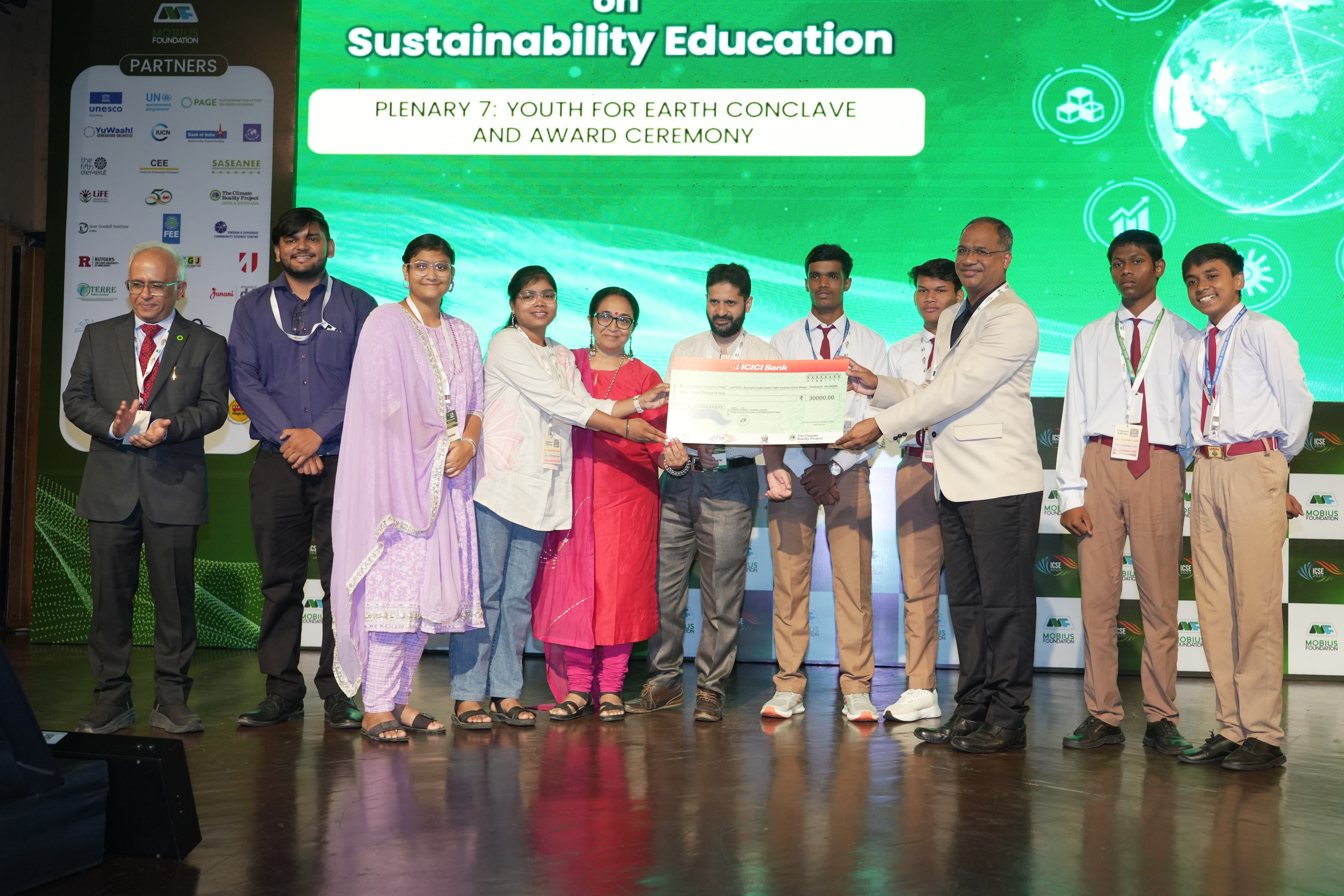 About the project: The project focuses on developing an eco-friendly and affordable ash-based sanitizer to promote hygiene in rural communities and government schools lacking proper handwashing facilities. Utilizing wood ash, a locally available by-product rich in natural cleansing agents like sodium and calcium, the team created a liquid sanitizer through a simple hydrolysis process. This innovation not only promotes health and sanitation but also exemplifies waste-to-resource conversion, supporting a circular economy. Demonstrated across several schools in Bilaspur, the project distributed over 53 liters of sanitizer, raising awareness about hygiene and sustainable practices. Project improving public health, reducing waste, fostering innovation, and empowering communities through local production and entrepreneurship opportunities.
Project: “EcoTree 2.0” by students of Kikani Vidhya Mandir, Coimbatore, Tamil Nadu
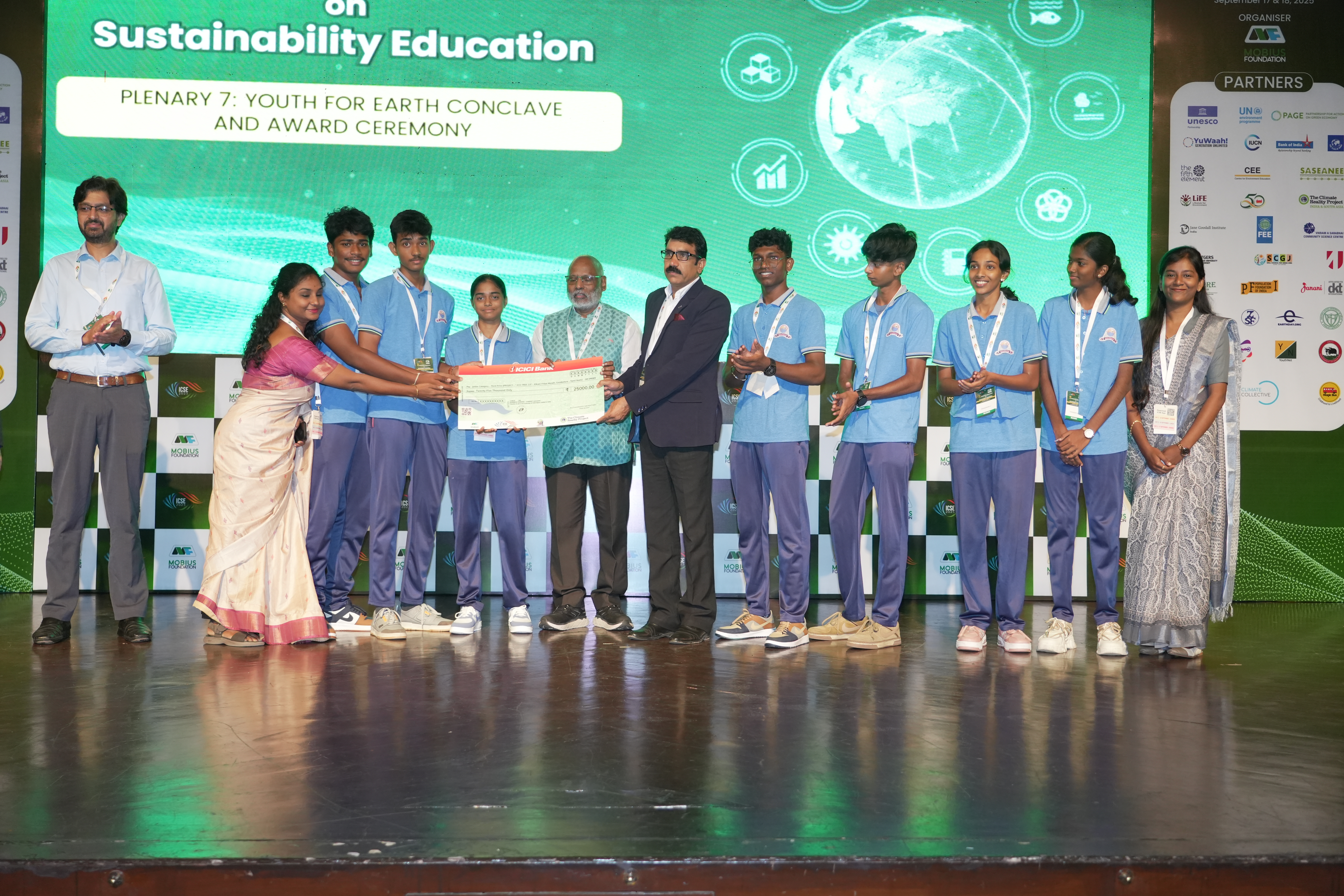 About the project: The project is designed to combat urban air pollution by mimicking natural photosynthesis through a mechanical tree. The compact system consists of a biodegradable CO₂ filtration unit that captures carbon dioxide and a microalgae-based bioreactor that converts it into oxygen, thus improving air quality and reducing carbon levels. Tested in real-world industrial settings, the prototype successfully demonstrated measurable CO₂ absorption and O₂ generation, equivalent to the output of two young trees. The project aligns with multiple UN Sustainable Development Goals (SDGs 3, 8, 9, 11, 13, 15, and 17) by promoting green technology, sustainable cities, and eco-entrepreneurship. Beyond its technical innovation, EcoTree 2.0 serves as an educational and social tool, engaging communities, inspiring youth, and driving awareness about clean air and climate action. With future plans for solar integration, IoT networking, and large-scale deployment, the project envisions a scalable, science-driven solution for a breathable, sustainable future.
Stepergy: Power from Every Step” by Team Green Striders from Adarsh Public School, Vikaspuri, New Delhi
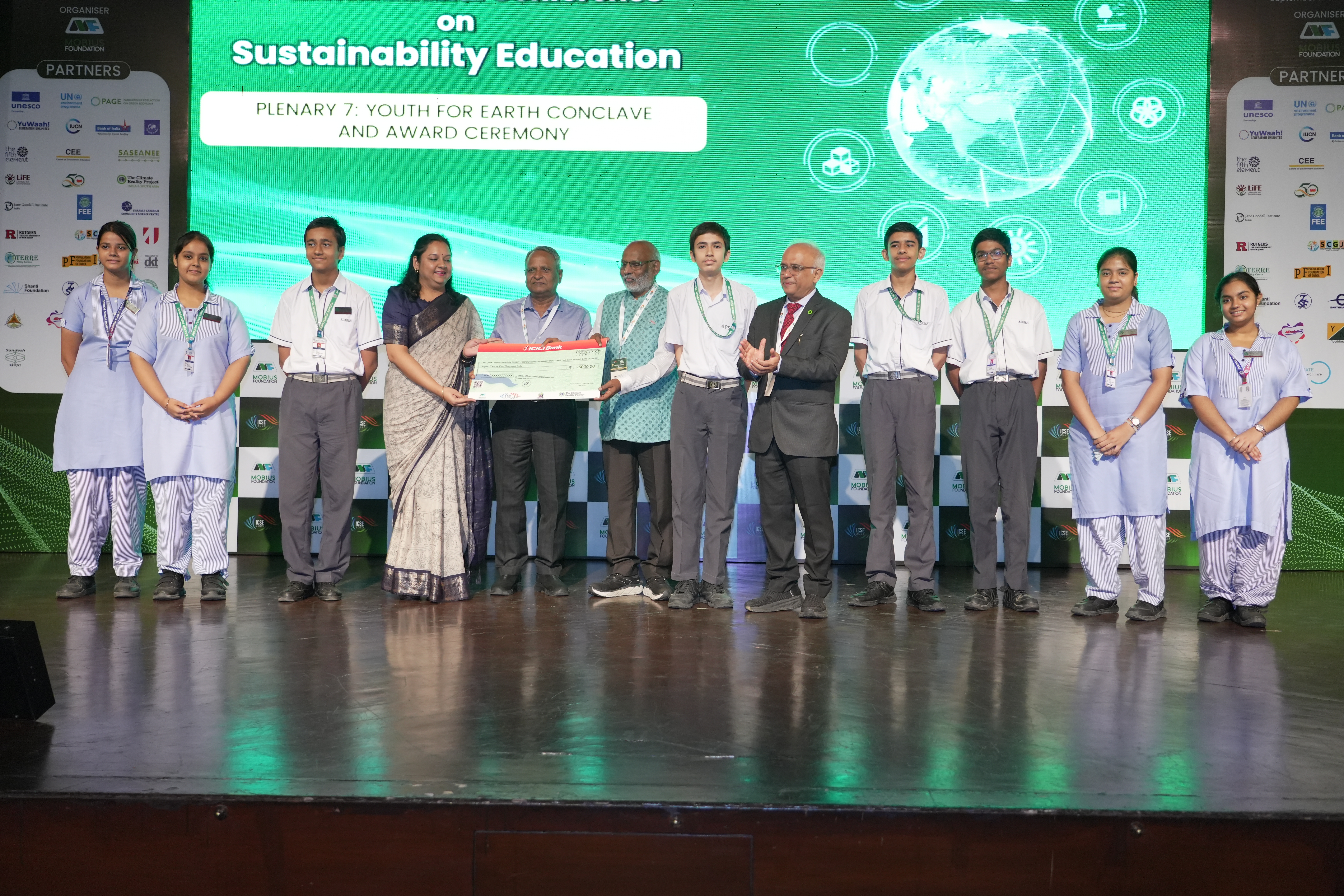 About the project: The project, focuses on harnessing renewable energy through piezoelectric technology, which converts mechanical energy from footsteps into electrical energy. The project aims to reduce dependency on conventional energy sources by generating clean power from human movement in high-footfall areas such as schools, metro stations, and shopping centers. The students designed and implemented piezoelectric tiles that capture and store energy to power small devices like LEDs and sensors, promoting awareness about green energy and sustainability. The initiative also serves as a powerful educational tool to demonstrate scientific concepts and foster environmental responsibility among students. By aligning with UN SDGs 7 (Affordable and Clean Energy) and 13 (Climate Action), the project showcases how innovative, youth-driven solutions can contribute to building smarter, energy-efficient, and sustainable cities.
Nature’s Weapon, Youth’s Mission” by the Neem Crusaders Team, from Little Flowers Public Senior Secondary School, Shahdara, New Delhi
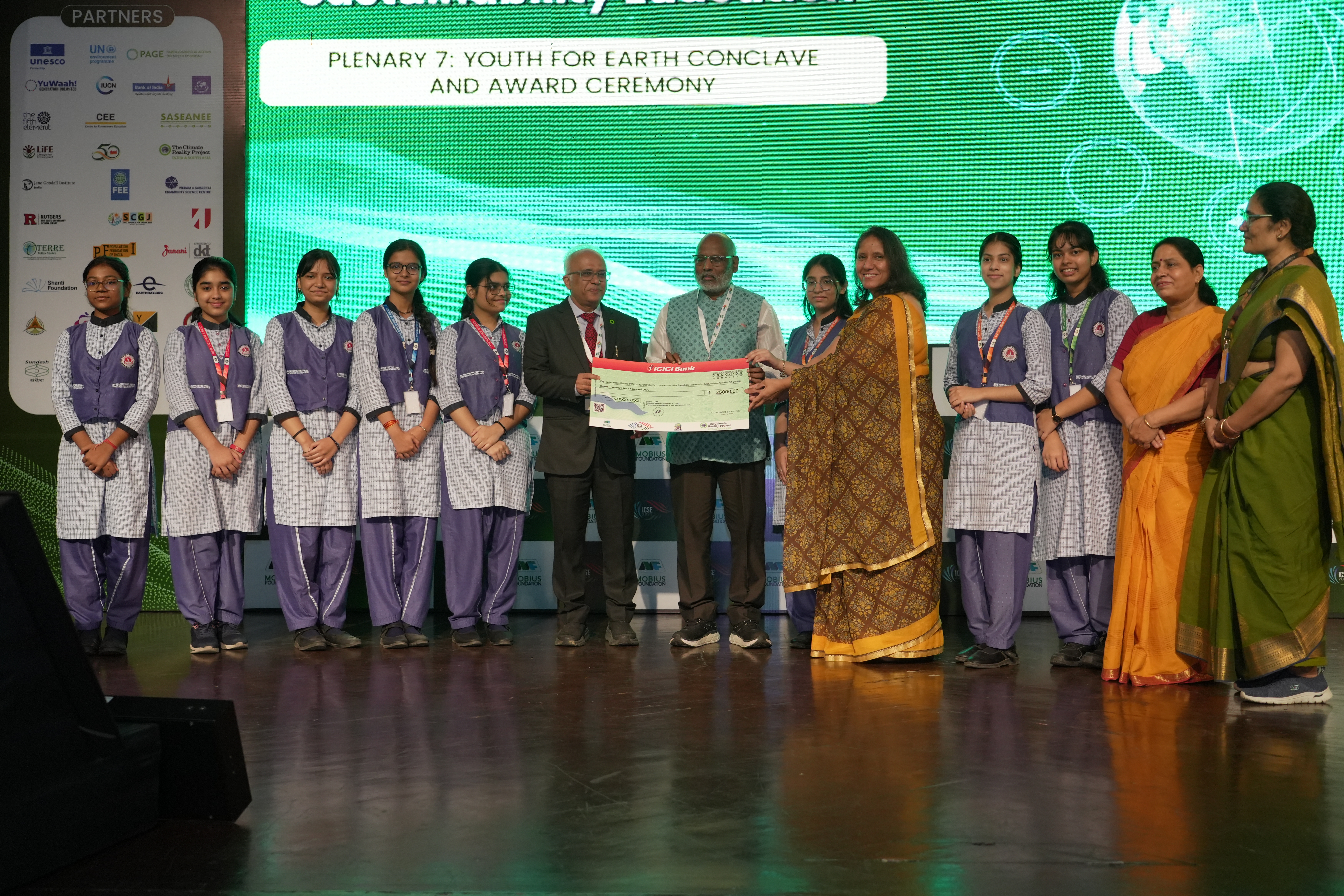 About the project: The project, focuses on promoting the traditional and scientific significance of Azadirachta indica (Neem) as a natural solution for sustainable living. The initiative aimed to create awareness about neem’s medicinal, agricultural, and environmental benefits while developing eco-friendly products such as toothpaste, shampoo, facewash, insecticides, and organic pots from neem leaves, bark, and fruits. Through research, surveys, and community engagement, students highlighted neem’s role in improving health, reducing chemical use, and protecting ecosystems. The project aligns with multiple UN Sustainable Development Goals (SDGs 1, 3, 8, 12, and 15) by fostering green entrepreneurship, sustainable agriculture, and environmental conservation. It also envisions supporting livelihoods and contributing to India’s Ayurvedic and natural product industries through sustainable neem cultivation and utilization.
Senior Category Winners
EcoCampus: Transforming Waste into Green Resources” by Team EcoCampus, from MIT-WPU, Pune, Maharashtra
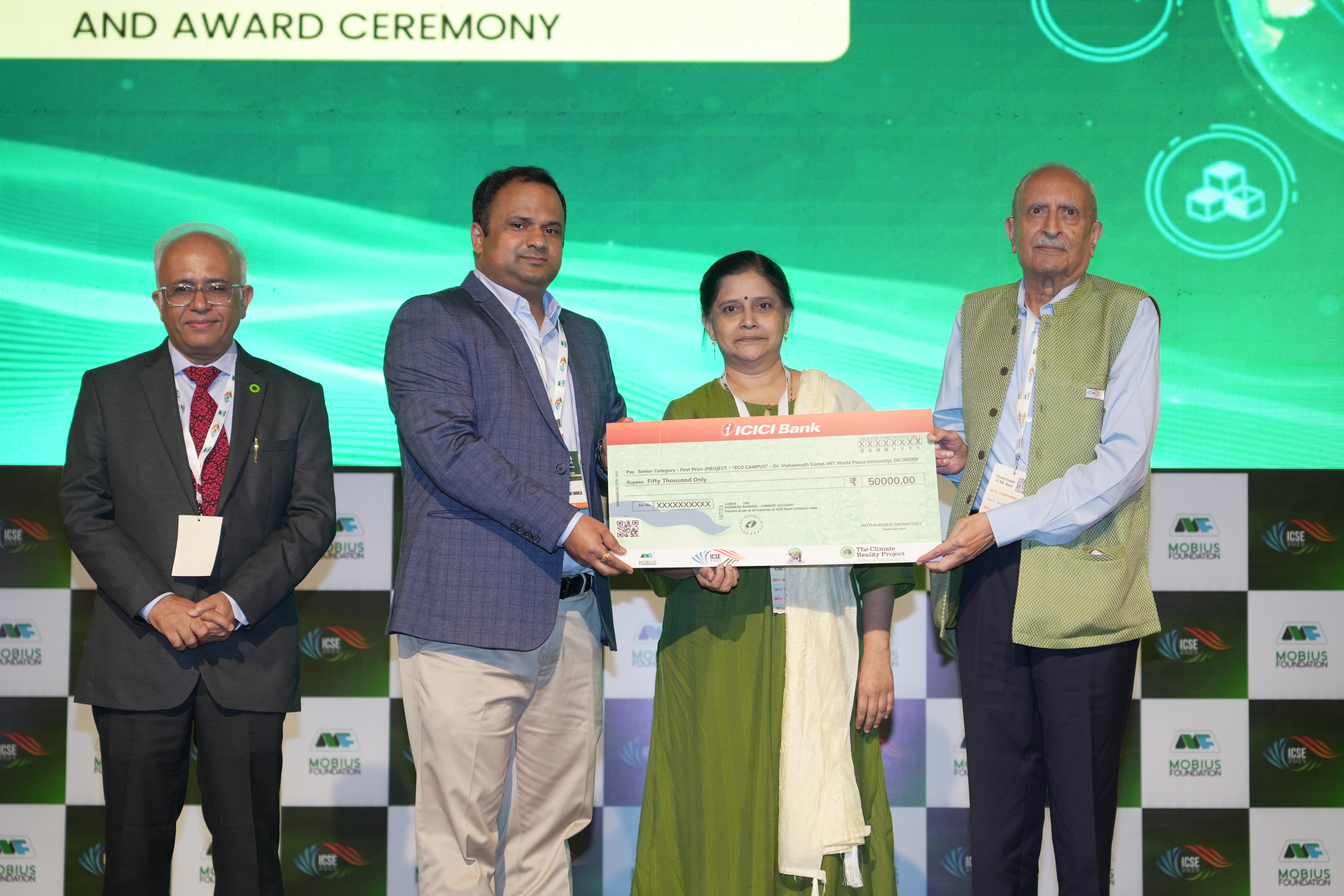 About the project: The project, presents a smart and sustainable approach to waste segregation and management using IoT and real-time data analytics. The system features an automated, tunnel-based structure equipped with moisture and level sensors that classify mixed waste into organic and inorganic categories, minimizing manual intervention and contamination of recyclables. The data collected through an ESP32 microcontroller is transmitted to the cloud and displayed via a custom web dashboard, offering real-time insights on waste type, bin fill levels, and area-wise waste generation trends. The project aims to create a data-driven waste management solution that enhances efficiency, supports recycling, and promotes smart city goals. Beyond automation, the initiative also includes a Waste Reduction App that encourages households to track waste habits and earn reward points, promoting citizen engagement and eco-conscious living. Aligned with SDGs 9, 11, 12, and 13, the project exemplifies how technology, innovation, and community participation can drive sustainable waste solutions for a cleaner and smarter future.
“CDP Bricks” by Team Eco Buildersfrom K. Ramakrishnan College of Technology, Trichy, Tamil Nadu
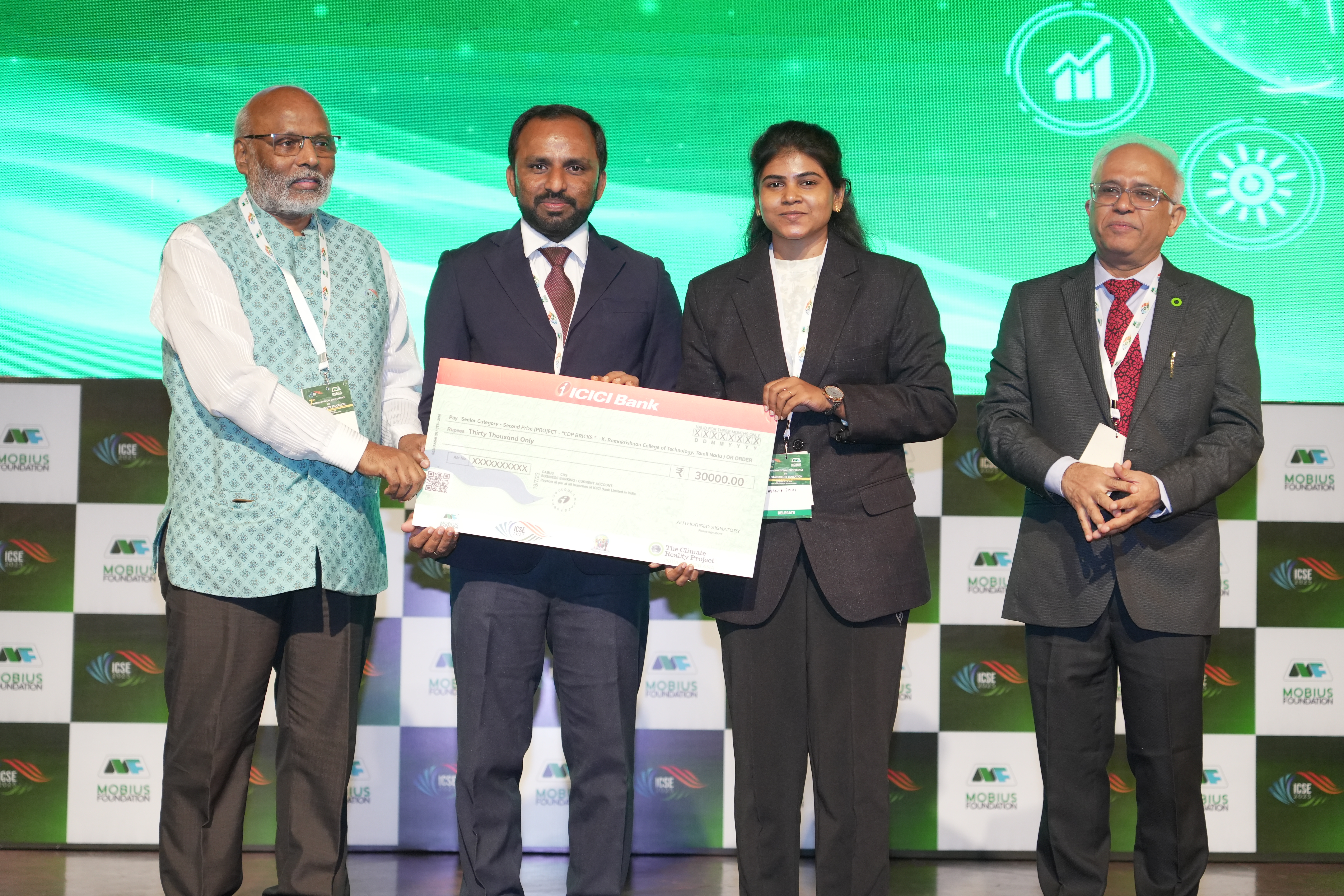 About the project: The project introduces an innovative solution to tackle construction and demolition (C&D) waste and plastic pollution by transforming these materials into sustainable, high-quality building bricks. Using a systematic process of waste segregation, crushing, melting, and molding, the team successfully developed Construction and Demolition Plastic (CDP) Bricks that match or surpass traditional clay bricks in strength, durability, and cost-effectiveness. This eco-friendly innovation not only reduces landfill waste and carbon emissions but also conserves natural resources by eliminating the need for kiln firing and topsoil extraction. The project creates employment opportunities, promotes green construction practices, and supports affordable housing, making it both socially and environmentally impactful. CDP Bricks contribute to sustainable urban development, the circular economy, and a greener, more resilient construction industry.
Samman – LAP India Recycle”by India Recycles from Anant National University, Ahmedabad, Gujarat
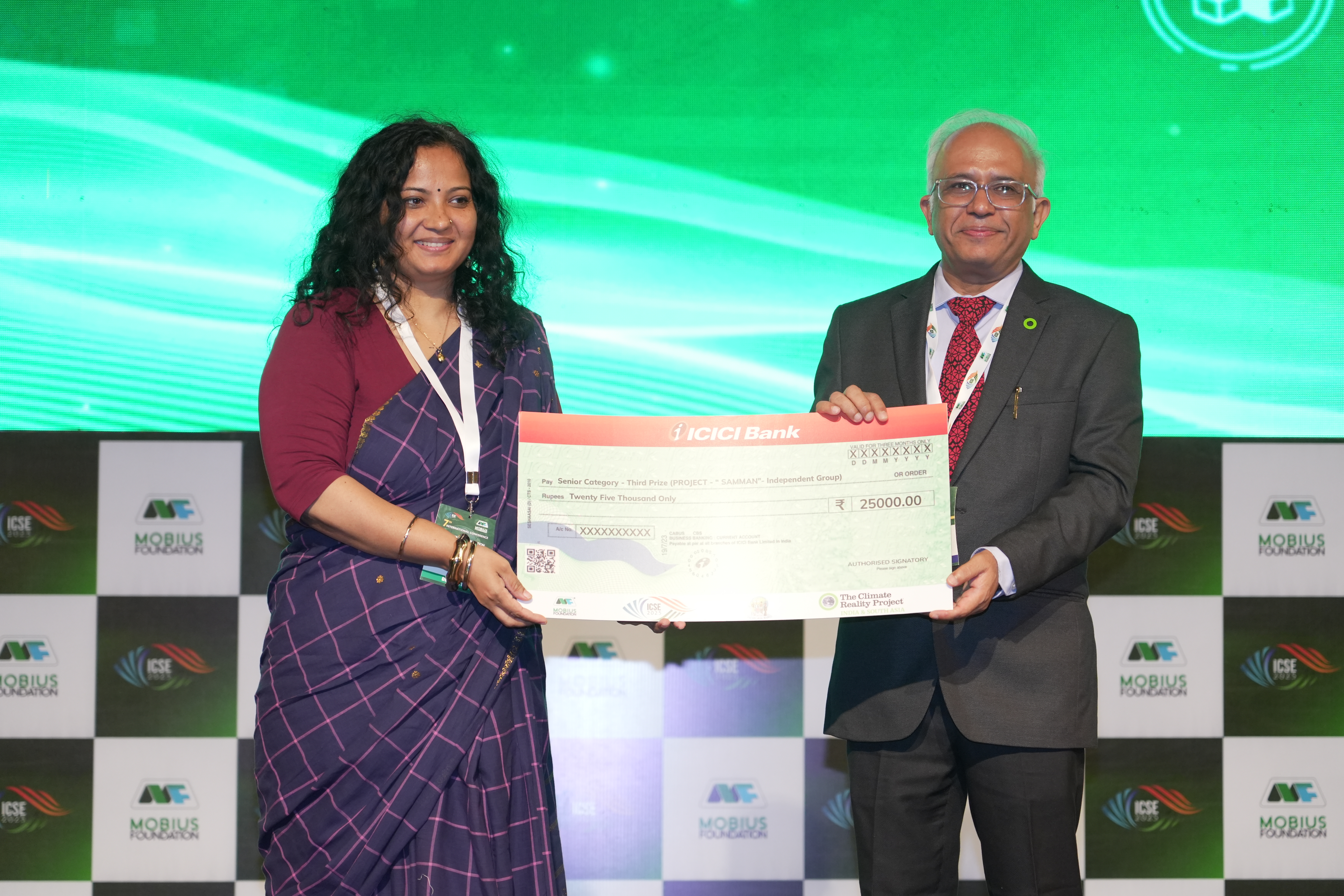 About the project: The project, focuses on recycling used sanitary pads into eco-friendly products while promoting menstrual hygiene awareness. Recognizing the dual challenge of menstrual waste management and stigma around menstruation, the project introduced a sustainable recycling process that converts disposed pads into useful materials such as tiles, bricks, and insulation boards, thereby reducing landfill burden and plastic pollution. Alongside the recycling innovation, the initiative conducts awareness campaigns, school workshops, and community drives to educate young girls and women about menstrual hygiene and waste segregation. By integrating technology, social responsibility, and environmental consciousness, Samman creates employment opportunities for marginalized women and supports SDGs, promoting health, gender equality, sustainable consumption, and climate action.